
LiFePO4 vs Lithium-Ion: Which Battery Is Better for a Power Station?
November 4, 2026
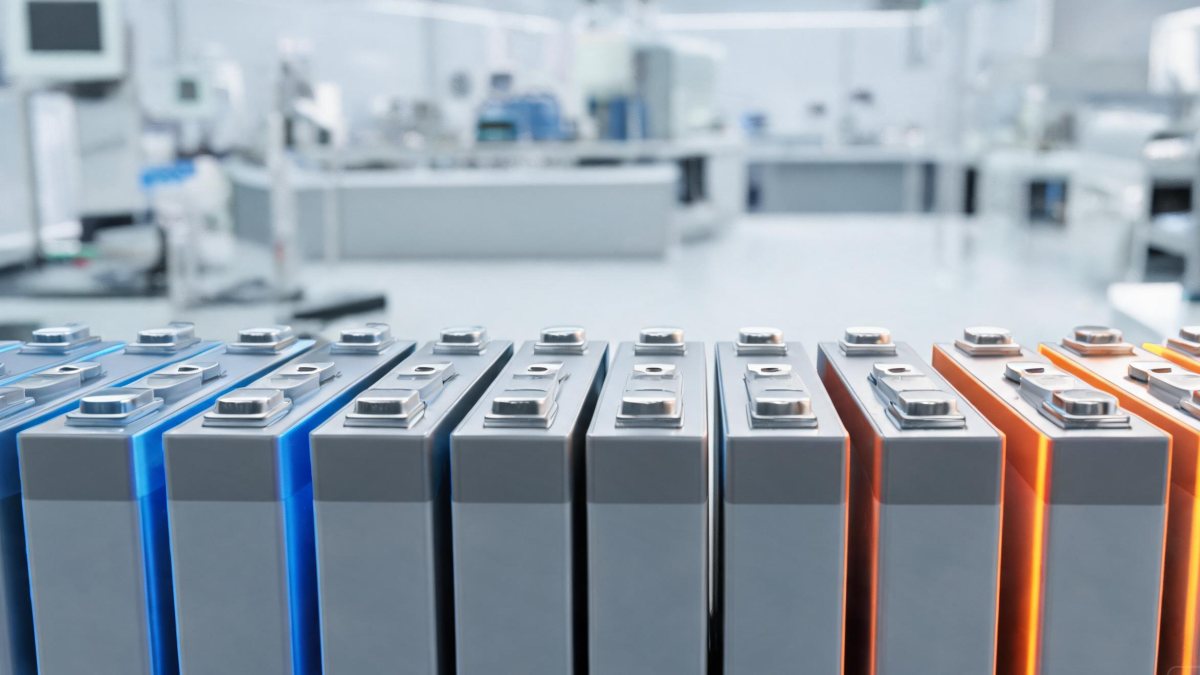
Most portable power stations now use one of two chemistries: lithium iron phosphate (LiFePO4) or a nickel-based lithium-ion cell. The choice affects lifespan, safety and price.
Cycle life is the biggest difference. A quality LiFePO4 pack is rated for 3000 to 5000 full cycles before dropping to 80% capacity, while a typical lithium-ion pack reaches that point after 800 to 1500 cycles.
Thermal stability is the second factor. LiFePO4 has a higher thermal runaway threshold, which makes it the safer choice for products that may be left in a car or a tent in summer.
On the downside, LiFePO4 is heavier and slightly more expensive per watt-hour, and performs less well in extreme cold.
For a power station that is expected to last five to ten years, LiFePO4 usually wins. For a compact, low-cost product where weight is critical, lithium-ion can still make sense.